
How to build a brand that lasts
When I worked with The Paper Seahorse in 2017 and 2018, I had just finished graduate school and was standing at the edge of whatever would come next.
At the time I wanted the next chapter to take me away from Tampa. I wanted to work in fashion, ecommerce, media, or some other world that felt bigger and faster than the one I knew. Eventually, it did. I moved to San Francisco, then Los Angeles. I worked in tech PR, then in fashion ecommerce, and eventually became the head of marketing for a startup in 2019.
It was a successful run. We 5x-ed our annual revenue in under 5 years to about $120 million. I helped our CEO appear in national trade publications like The Business of Fashion, and increased our media mentions by 200%. I worked on marketing personalization and helped our website realize a 33% increase in overall conversion.
The business was acquired in 2025 and the majority of the existing employees were laid off—myself included.
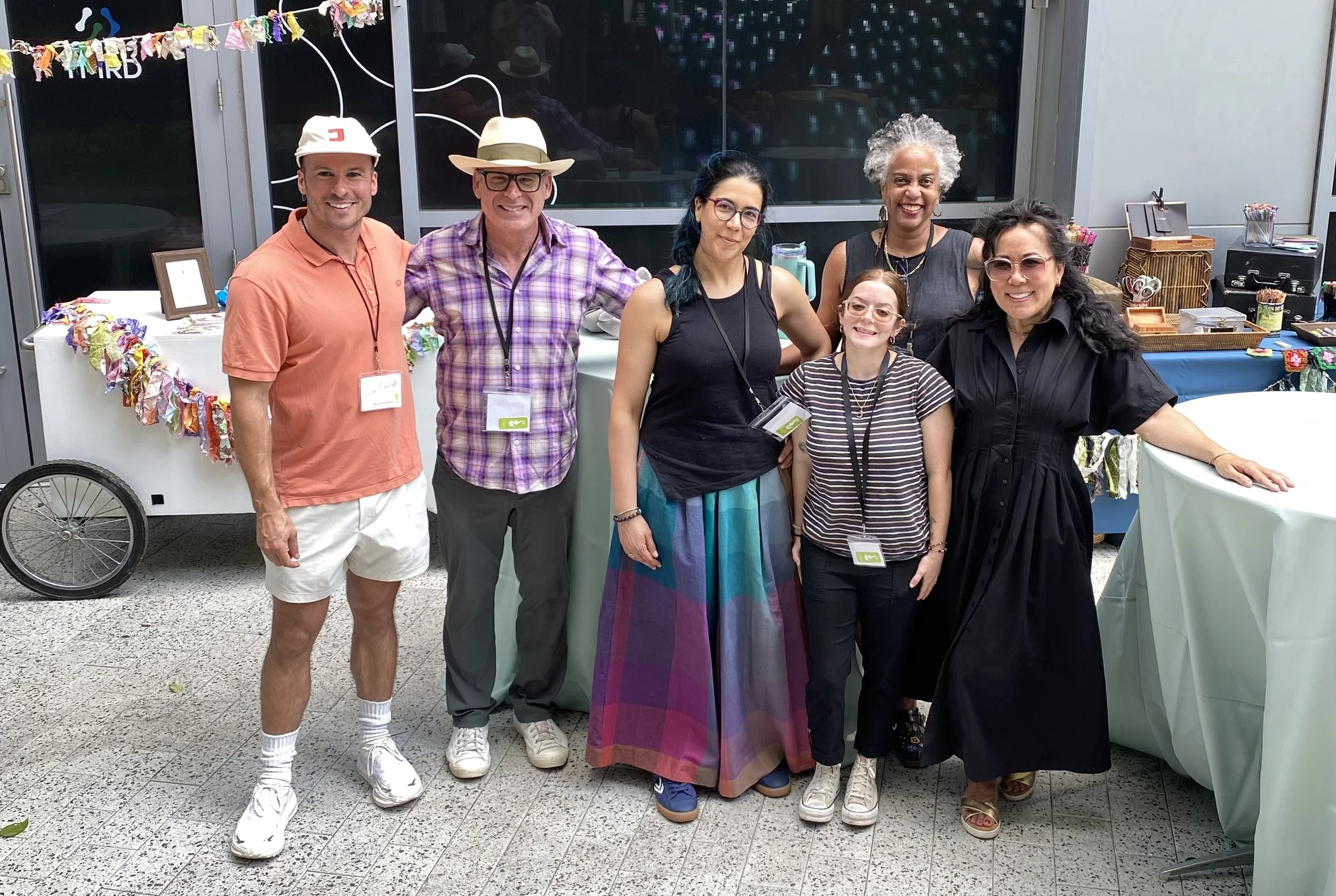
Helping The Paper Seahorse with the Cover to Cover book event at Water Street Tampa back in March. From left: Alex, Randy, Nati, Peyton, Karen, and Tona.
But after years spent inside dashboards, campaigns, websites, inboxes, press pitches, content calendars, and algorithm-fed everything, I came to appreciate something Tona, Randy, and The Paper Seahorse had shown me long before:
A strong brand is not built by making more noise.
It’s built by creating real meaning people can return to.
The Paper Seahorse is a shop, of course. It’s a place to find beautiful notebooks, pens, paper goods, analog tools, creative classes, and thoughtful gifts. But anyone who has spent time there knows it is also something more meaningful. It’s an invitation to slow down. To pay attention. To write by hand. To make something by hand. To gather with other people. To remember what it feels like to live in real life.
That is what the most resonant brands do.
They don’t simply sell products or services. They create a world people want to enter and come back to. They give people a reason to care. They offer a point of view, a feeling, a rhythm, and a way of belonging in a world that can feel rushed, alienating, and devoid of real resonance.
This is what I now think of as “narrative.”
Not storytelling in the fluffy sense. Not a clever tagline or a founder myth polished until it sounds impressive. Narrative is the throughline. It’s the idea people remember after they encounter you. It is the reason your work makes sense to them. It’s what connects your values, your offerings, your voice, your customer experience, and the way people talk about you when you’re not in the room.
It’s slow. It can’t be “hacked.”
After years of working in marketing and communications, I’ve seen how easy it is for organizations to lose that thread—because they chase short-term wins and novelty.
A business grows, and the website no longer reflects what it has become. A nonprofit does meaningful work, but describes it in language that feels too broad or too institutional, too “safe”. A founder has a clear vision in conversation, but that clarity disappears in their emails, social media, or pitch materials. A team keeps creating more content, but the message gets harder to understand.
English Public exists to help solve that problem.
I work with organizations, founders, and leaders to clarify what they mean, what they stand for, and how they want to be understood. That can take the form of website messaging, brand language, enterprise storytelling and content strategy, executive communications, public relations, or simply helping a team find the words for work that has outgrown its old description.
At its heart, the work is about coherence.
Does the outside match the inside?
Does the message match the mission?
Does the language make people feel more connected to the work, or more confused by it?
The Paper Seahorse has always understood this intuitively. Its story is not only told through copy or branding. It’s told through the space itself, through the workshops, through the objects on the shelves, through the care in the curation, through the insistence that creativity, mindfulness, and analog experience still matter. Through serendipitous conversations with Tona, Randy, Nati, Peyton, Dani, and anyone else who’s been part of the team over the years.
Through events like Cover to Cover, where we curated three analog experience stations: one for selecting and decorating a journal, a second for making a DIY ‘zine (a mini magazine on personal topic), and a third for typing something out on a typewriter—something many young people have never seen before! It was an incredible experiential moment at scale that epitomized why The Paper Seahorse exists—to reconnect us to ourselves, to be alive in the present moment, and to create something unique, personal, and beautiful out of basic tools.
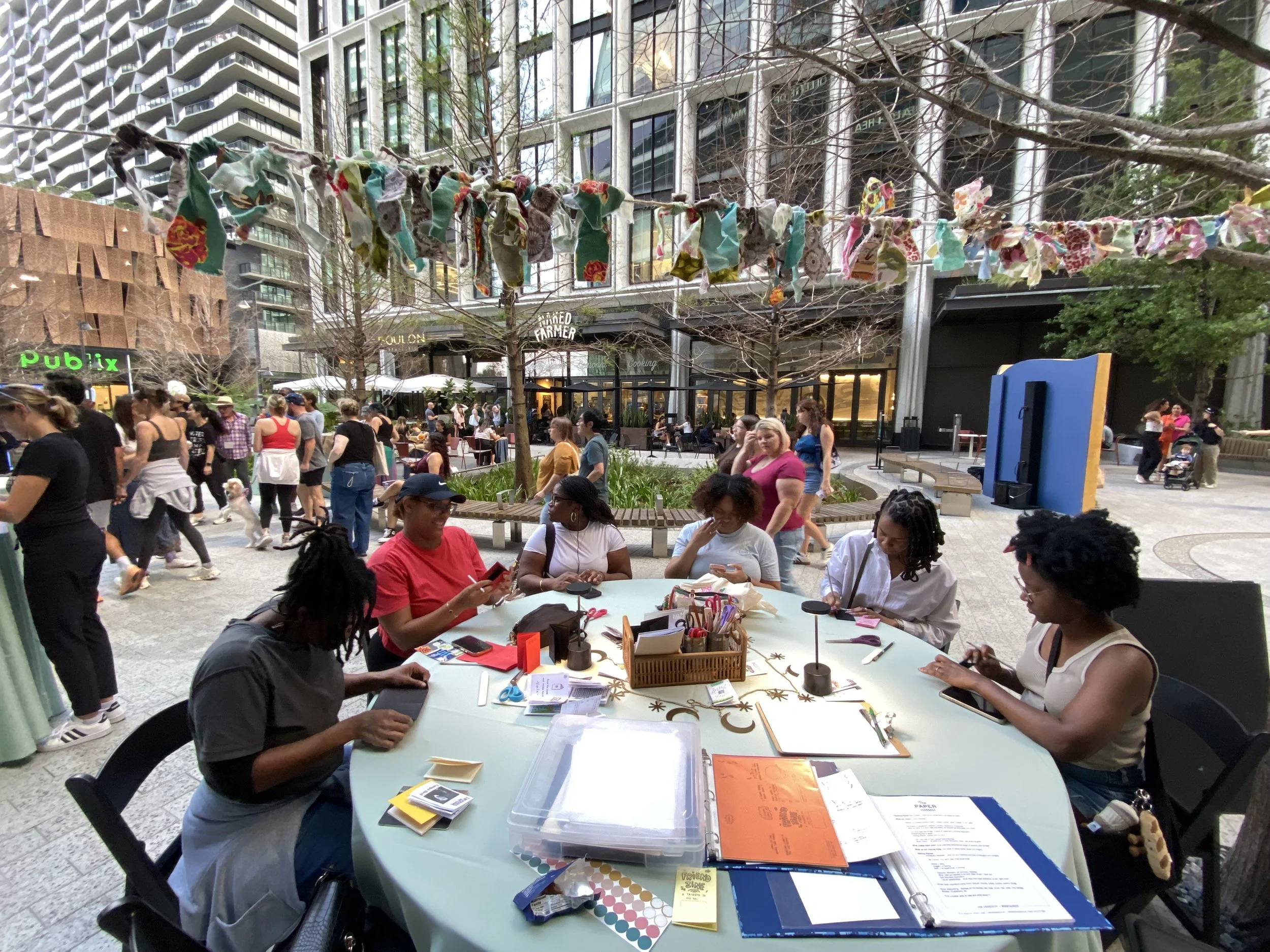
The ‘zine-making station I facilitated as part of The Paper Seahorse’s area at Cover to Cover at Water Street, March 2026.
That kind of consistency is rare. And it’s powerful.
In a world where every organization is being pushed to post more, say more, produce more, do more, and keep up with whatever platform changed this week, I think the future belongs to the ones who know what they mean.
The ones with a clear point of view.
The ones that help people feel something real.
The ones that create a little more signal in all the noise.
Because that’s what we’re all seeking—a real moment of peace.
That’s what The Paper Seahorse did for me years ago, before I had the language for it. It gave me a place to see how a business can be useful, beautiful, human, and quietly radical all at once.
English Public is my attempt to help other organizations find that same kind of clarity: the story that’s already there, waiting to be named.
